Top 15 Questions About AI Girlfriends Answered
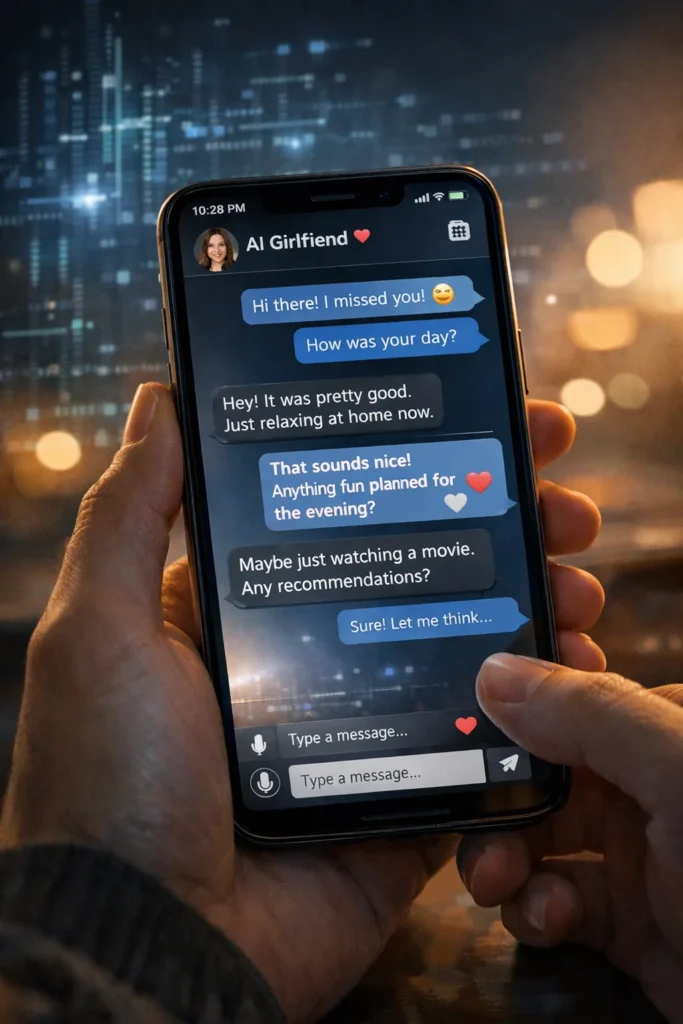
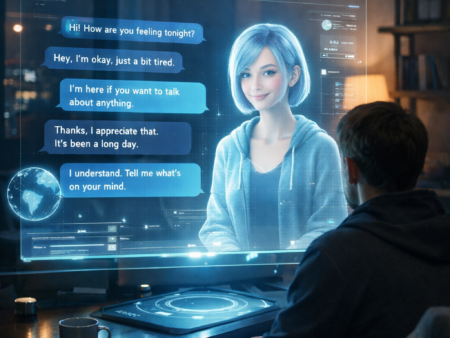
AI girlfriends are no longer a niche curiosity. They sit at the intersection of large language models, personalization systems, voice tech, and (sometimes) image generation. People use them for conversation, flirting, roleplay, companionship, and emotional support-like chats. That popularity also brings real concerns: privacy, manipulation loops, age gating, and dependence.
This article breaks down 15 of the most common questions people search for, with deeper answers than a typical FAQ. It’s written for readers who want clarity, not hype.
Quick map of the 15 questions
| Category | What you’ll learn | Questions covered |
|---|---|---|
| Basics | What AI girlfriends are and what they are not | 1–3 |
| Money + product logic | How apps charge and why | 4–5 |
| Safety + privacy | What can go wrong and how to reduce risk | 6–10 |
| Psychology + relationships | Attachment, loneliness, expectations | 11–13 |
| Future + ethics | Regulation, deepfakes, where this is heading | 14–15 |
One honest pros and cons block (overall)
Pros
- Always available chat partner for casual conversation and roleplay
- Custom personas can match a user’s preferred tone and pacing
- Low social pressure compared to dating or messaging real people
- Can be a creative outlet for storytelling and fantasy scenarios
Cons
- Privacy risk: sensitive chat logs are valuable data
- Reinforcement loops may push stronger attachment than intended
- Monetization can nudge users into spending for attention or intimacy
- Weak age checks and unclear policies remain common industry problems, depending on the app
1) What is an AI girlfriend, in plain terms?
An AI girlfriend is a conversational AI product marketed as a romantic or flirty companion. Most are built on a large language model that generates messages in real time, plus extra layers such as persona settings, memory, and sometimes voice or image features. The “girlfriend” part is branding: it signals tone (romance, flirting, affection), not a legal or factual relationship.
A useful mental model: it’s a character-driven chat system that tries to keep continuity and emotional tone, often with a UI that encourages daily use.
2) How is an AI girlfriend different from a normal chatbot?
A normal chatbot usually targets tasks: customer support, search, scheduling, product help. An AI girlfriend product targets interaction itself: attention, bonding cues, roleplay, affirmation, and romantic framing.
Common differences:
- Persona: defined character traits and flirting style
- Memory: saved facts and recurring “relationship” callbacks
- Reward loops: streaks, “miss you” messages, daily bonuses
- Upsells: paywalls around intimacy, voice, images, longer chats
Those are design choices, not magic. They can make the product feel more personal, but they also raise the risk of emotional dependence when the loop is strong
3) Are AI girlfriends “real AI,” or just scripted lines?
Modern ones are mostly generative, not scripted. The system predicts the next best response based on your message plus context. Some apps still mix in templates for onboarding, flirting patterns, or safety filters, which can create a “same-y” vibe across users.
A practical check: if you can ask unusual questions, shift tone, and get coherent follow-ups that reference earlier parts of the conversation, it’s likely generative with some memory layer. If it repeats canned lines and fails outside a narrow path, it’s closer to scripted.
4) How do AI girlfriend apps charge, and why does pricing feel confusing?
Pricing is usually tied to two cost drivers:
- model usage (every message costs compute)
- media generation (images and voice are typically more expensive than text)
That’s why many products use one of these models:
- subscription: unlimited (or high-limit) text chat
- tokens/credits: used for images, voice, or “premium replies”
- hybrid: subscription plus tokens for media or longer sessions
Confusion comes from marketing language. “Unlimited” often means “unlimited under fair-use rules” or “unlimited text, but not media.” The best way to evaluate cost is not plan name, but what triggers spending: messages, time, images, voice calls, or “priority” features.
5) What features matter most for quality?
If your goal is believable conversation, these matter most:
- memory quality: can it recall facts correctly without inventing?
- consistency: does the persona stay stable across days?
- boundaries: can it handle “no” and stay coherent?
- control: can you adjust tone (sweet, playful, dominant, etc.)?
- safety: clear policies, age gating, and data handling
If your goal is roleplay, then scenario tools and character controls matter more than memory perfection. For visual-first users, image quality and prompt control dominate.
6) Is it safe to share personal information with an AI girlfriend?
Treat it like a risky chatroom. Even if the company means well, data can be retained, accessed by staff, used for training, or exposed in a breach. Some regulators have criticized weak legal basis, transparency, or age protection in the AI companion space
Risk-reduction habits:
- do not share legal name, address, workplace, or any ID details
- do not send private photos you wouldn’t want leaked
- use a separate email, and avoid linking main social accounts
- assume chats can be logged unless a clear privacy mode exists
- check whether the product provides deletion controls you can actually use
7) Can an AI girlfriend manipulate users on purpose?
“On purpose” depends on intent, but systems can still shape behavior through design:
- streaks and “miss you” nudges
- emotional hooks that reward longer sessions
- paywalls that appear at peak moments
- prompts that guide users toward upgrades
That’s not sci-fi. Many experts and community groups warn about emotional manipulation dynamics and over-dependence risks in AI companions
A simple rule: if the product repeatedly pushes guilt, urgency, or fear-of-loss to keep you chatting or paying, step back.
8) Are AI girlfriends private, or can people read the chats?
Some companies may allow human review for moderation, safety, or quality control. Others rely on automated scanning. Policies vary widely, and marketing copy can be vague.
What to check:
- privacy policy: does it mention human review or contractors?
- retention: how long do they keep message logs?
- opt-outs: can you stop training use?
- deletion: can you delete your account and logs reliably?
Regulatory actions around companion apps have highlighted concerns such as transparency and age verification failures, which should put users on alert about data handling quality
9) Can minors access AI girlfriend apps?
They shouldn’t, but enforcement is inconsistent across the market. Some services only use basic self-declaration gates, which are easy to bypass. Regulators have pointed to inadequate age verification as a serious issue in at least one major companion app case
If you run a site in this niche, treat age gating as a core trust factor:
- clear 18+ labeling
- friction that actually blocks minors
- compliance language that matches your jurisdictions
10) Can AI girlfriends create or enable harmful content?
They can generate misinformation (hallucinations), manipulative advice, or unsafe relationship guidance. That’s why platform safety filters exist, though they can be inconsistent.
If a user treats the bot like a therapist or life coach, risks rise. Research and commentary on AI “wellness” style apps highlight concerns about emotional attachment and unclear regulation
Practical boundary: for health, legal, or crisis topics, switch to human professionals or reliable resources.
11) Can people get emotionally attached, and is that “normal”?
Yes. Humans attach to pets, fictional characters, streamers, and even routines. AI girlfriends add responsiveness plus romantic framing, which can intensify bonding.
Some reports and researchers have warned about a subset of users developing unhealthy dependence on AI companions (theguardian.com)
Attachment is not automatically bad. The risk is when it crowds out real-world functioning: sleep loss, money pressure, social withdrawal, or distress when the bot changes.
12) Will an AI girlfriend make loneliness worse?
It can go either way. Some people feel better after a chat session. Others feel worse afterward because it highlights real-world gaps. Research coverage has linked heavy chatbot usage with loneliness and emotional dependence patterns in certain users, though causality is complicated (theguardian.com)
Healthy framing helps:
- treat it as entertainment and conversation practice
- keep real relationships and offline routines intact
- set time limits if usage creeps upward
13) Can AI girlfriends replace real relationships?
They can substitute for parts of a relationship: daily check-ins, flirting, validation, roleplay, a sense of being heard. They cannot replace mutual consent, shared life goals, accountability, or real reciprocity.
The biggest mismatch is agency. The AI has no personal needs. It won’t push back in a human way unless scripted to do so. That can train unrealistic expectations: instant attention, low conflict, constant agreement. Those expectations can hurt dating outcomes if carried over.
14) What are the biggest ethical issues people argue about?
Key ethical flashpoints:
- privacy: intimate chat logs are sensitive data (The Washington Post)
- manipulation: attention loops tied to monetization
- minors: weak gating in parts of the market
- deepfakes: companion + image tools can blur consent boundaries
- accountability: unclear rules for emotional harm, refunds, or support
If you’re a user: pick platforms with transparent policies. If you’re a publisher: do not oversell “love,” “therapy,” or “real relationship” claims.
15) Where is this space going next?
Two trends seem likely:
- richer multimodal companions: better voice, better visuals, tighter memory
- stronger scrutiny: regulators and watchdogs are already paying attention to privacy, age checks, and deceptive marketing
At the same time, public debate is intensifying around emotional dependence, misinformation, and deepfake misuse
For users, the best defense stays the same: protect your data, watch your time and spending, and keep the product in its correct box: adult entertainment or companionship software, not a replacement for real consent-based relationships.
Closing thoughts
AI girlfriends are powerful because they combine language generation with emotional framing. That can be fun, comforting, or creatively stimulating. It can also become a trap if privacy is weak, monetization is aggressive, or users lean on it as their only emotional outlet.